
Contents
- Roadworthy inspection vs safety certificate – are they the same?
- What a safety certificate is really for
- What gets checked in a roadworthy inspection
- When you might need one
- A roadworthy inspection is not the same as a full service
- Why vehicles fail when owners do not expect it
- Choosing the right workshop matters
- How to make the inspection process easier
- The simple way to think about it
If you are trying to register, sell or transfer a vehicle, the question of roadworthy inspection vs safety certificate usually comes up fast. The confusion is understandable because people often use the terms as if they mean different things, when in many cases they are closely connected. What matters is knowing what applies to your vehicle, your state requirements and what an inspection can – and cannot – tell you about its condition.
Roadworthy inspection vs safety certificate – are they the same?
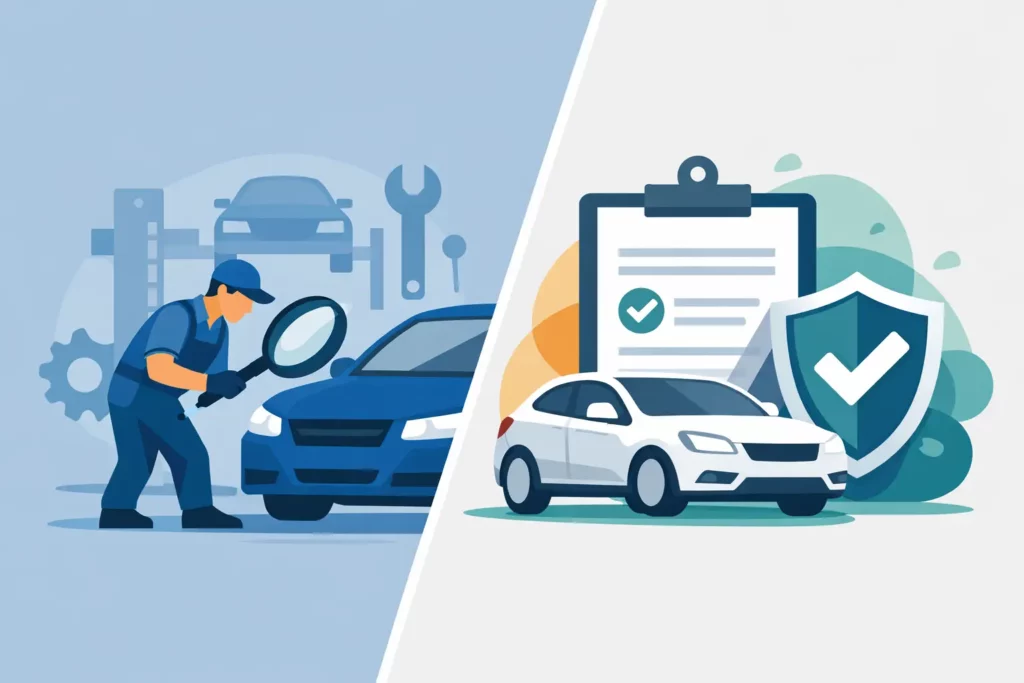
In everyday conversation, many motorists treat a roadworthy inspection and a safety certificate as the same thing. In Queensland, a safety certificate is the document issued after a vehicle passes the required inspection. So the inspection is the process, and the certificate is the result.
That distinction sounds small, but it matters. You do not book in for a certificate on its own. You book the vehicle in for an inspection. If it meets the required standard, the certificate can then be issued. If it does not, faults need to be addressed before the vehicle can qualify.
This is where drivers often get caught out. A vehicle might feel fine to drive, but still fail inspection because a tyre is below legal tread depth, a light is not operating correctly or a worn suspension or steering component affects safety. The inspection is about minimum road safety standards, not whether the car starts, runs smoothly or looks tidy.
What a safety certificate is really for
A safety certificate is there to show that, at the time of inspection, the vehicle met the minimum safety requirements set by the relevant authority. It is commonly needed when selling a vehicle, transferring registration or re-registering one in certain situations.
That does not mean it is a full mechanical report. This is one of the biggest misunderstandings we see in workshops. People assume a passed inspection means the vehicle is mechanically perfect. It does not. A car can pass a safety inspection and still have non-safety issues that need attention soon, such as oil leaks, worn engine mounts, cooling system problems or air conditioning faults.
On the other side of it, a vehicle can be well maintained overall and still fail because of one item that falls outside the legal requirement. That is why clear advice from a workshop matters. You want to know not just whether it passed, but what needs attention now and what may need planning for later.
What gets checked in a roadworthy inspection
The exact checklist depends on the vehicle type and local rules, but the inspection generally focuses on core safety items. These usually include tyres, brakes, steering, suspension, lights, windscreen and windows, seats and seatbelts, and general vehicle structure where it relates to safe operation.
Inspectors are looking for wear, damage, poor operation or anything that makes the vehicle unsafe or non-compliant. Tyres are a common example. Plenty of drivers are surprised when a vehicle fails over tyres that still look usable to the eye. Uneven wear, sidewall damage or insufficient tread depth can all be enough.
Lights are another simple but frequent problem. A blown globe, faulty brake lamp or indicator issue can stop a certificate being issued. Steering and suspension wear can be less obvious to the owner, especially if it has developed gradually over time. That is why inspections often uncover issues people have simply adapted to while driving.
When you might need one
For most owners, the need for a safety certificate comes up at a practical moment rather than a planned one. You decide to sell the car, transfer ownership to a family member, bring a vehicle back onto the road or sort out registration requirements after a lapse. Suddenly, the paperwork and inspection side of things becomes urgent.
If you own a hire vehicle, rideshare vehicle or other commercially used vehicle, the rules can be different again. In those cases, inspections may be required more regularly and under different categories. Imported vehicles can also raise extra questions, especially if the owner is not familiar with Australian compliance expectations.
This is where local advice is useful. Requirements are not something you want to guess at because the wrong assumption can delay a sale, a transfer or registration. A quick conversation with a workshop that handles these inspections regularly can save a lot of running around.
A roadworthy inspection is not the same as a full service
This point is worth being direct about. A roadworthy inspection is not a substitute for regular servicing. It is also not as detailed as a pre-purchase inspection.
A service is about maintaining the vehicle – oil, filters, fluids, wear items, checks and ongoing reliability. A pre-purchase inspection is broader and is designed to help a buyer understand the real condition of the vehicle before money changes hands. A roadworthy inspection is narrower. It asks whether the vehicle currently meets the minimum safety standard required for the certificate.
That minimum standard is important, but it is still minimum. If you are buying a used European car, a Japanese import, a family SUV or a 4WD, a passed safety inspection should not be the only thing you rely on. It tells you something useful, but not everything you need to know.
Why vehicles fail when owners do not expect it
Most failed inspections are not about dramatic faults. More often, they come down to ordinary wear and tear that has been overlooked. Brake pads wear down slowly. Shock absorbers lose performance over time. Rubber bushes crack. Tyres scrub out on one edge because of an alignment issue. Drivers get used to these changes, especially if they happen over months rather than days.
There is also the issue of delayed maintenance. A lot of people put off smaller jobs because the car still seems fine for the school run or daily commute. Then the inspection date arrives and those small jobs become immediate problems.
The good news is that many failures are straightforward to fix if they are picked up early. That is one reason some owners choose to have concerns checked before they are under pressure to produce a certificate for a sale or transfer.
Choosing the right workshop matters
Not every workshop approaches inspections the same way. What most drivers want is simple – a clear answer, a fair price and practical advice without being talked down to.
A good workshop will explain what failed, why it matters and what the next step is. If repairs are needed, you should be told what is urgent for compliance and what, if anything, is separate from the inspection requirement. That helps avoid the feeling that everything is being lumped together into one confusing quote.
This matters even more with European vehicles, Japanese imports, 4WDs and older cars, where experience counts. Different makes and models have common wear points, and an experienced local workshop can often spot issues quickly and explain them in plain language. That makes the whole process less stressful, especially when you are trying to get a vehicle sold or back on the road without delays.
How to make the inspection process easier
If you think your vehicle may need a certificate soon, do not leave it until the last minute. Check the obvious basics first. Make sure all lights are working, tyres have legal tread, the windscreen is not damaged in a way that affects compliance, and seatbelts operate properly.
If the vehicle has been pulling to one side, making suspension noise, braking poorly or showing uneven tyre wear, it is sensible to have that looked at before inspection day. The same goes for warning signs you have been meaning to deal with for months. A little preparation often saves time, repeat visits and extra frustration.
For sellers, this can also make the sale smoother. Buyers tend to feel more confident when the vehicle has been properly inspected and any obvious faults have already been sorted. It shows the car has not just been cleaned up for photos – it has been put through the proper checks.
The simple way to think about it
If you want the clearest answer to roadworthy inspection vs safety certificate, think of it this way: the inspection is the assessment, and the safety certificate is the proof that the vehicle passed. One leads to the other, but they are not exactly the same thing.
Once you understand that, the rest becomes easier. You know what the inspection is for, what it covers and what it does not. You can plan ahead, avoid surprises and get the right advice if repairs are needed. For most motorists, that is the difference between a straightforward booking and a rushed, expensive headache.
If you are unsure whether your vehicle is likely to pass, the best move is not to guess. Have it checked properly by a workshop that knows the process, explains things clearly and treats you like a local customer rather than a number.